Camming Devices

Camming devices are one of the more technical pieces of climbing equipment. They are so effective that very quickly after they were invented they revolutionise rock climbing. Originally design by an aerospace engineer Ray Jardine, who was also a keen climbers. When he was testing his prototype he used to say he was going climbing … Read moreCamming Devices
Hexes

Hexes were an extension of the machine nuts that climbing started using for protection. They eventually became ‘hex centric’ in that each side was of a different length. The reason behind this was that someone trying to make their own at home wasn’t very accurate as cutting and made it by accident as realised that … Read moreHexes

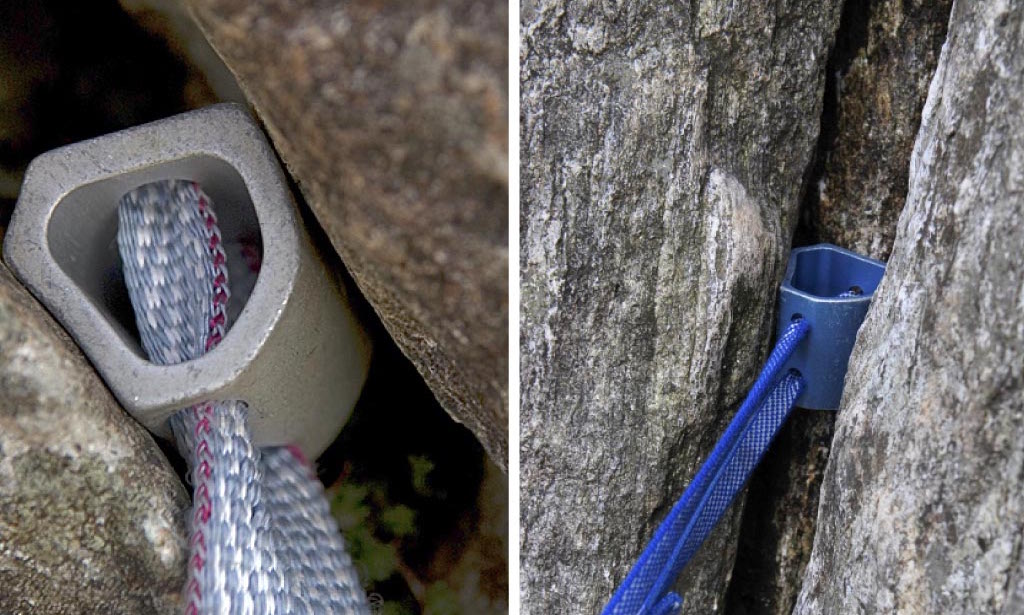
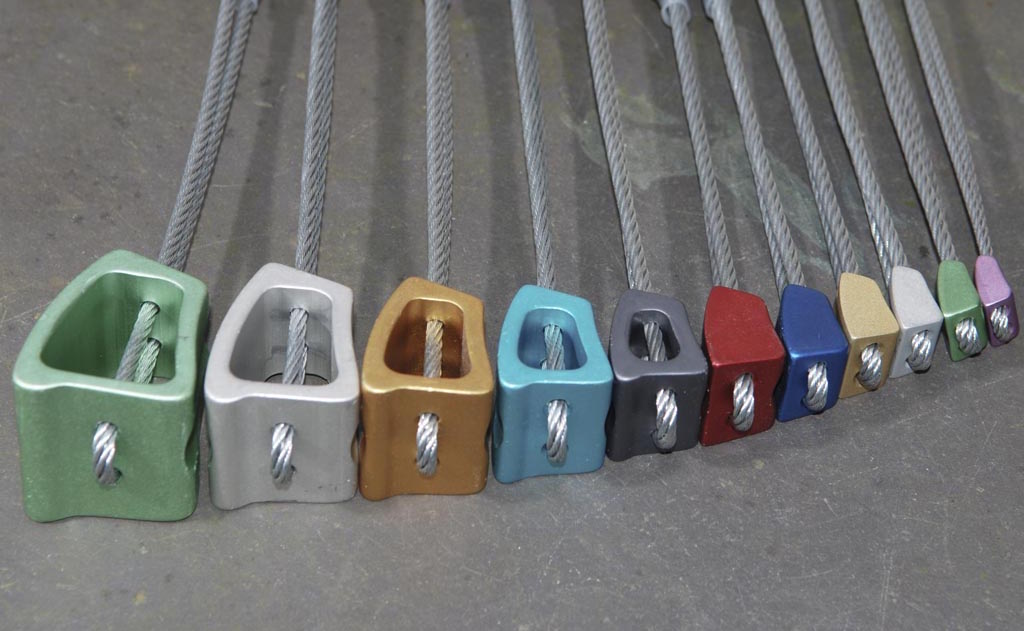
Nuts, Rocks and Wires

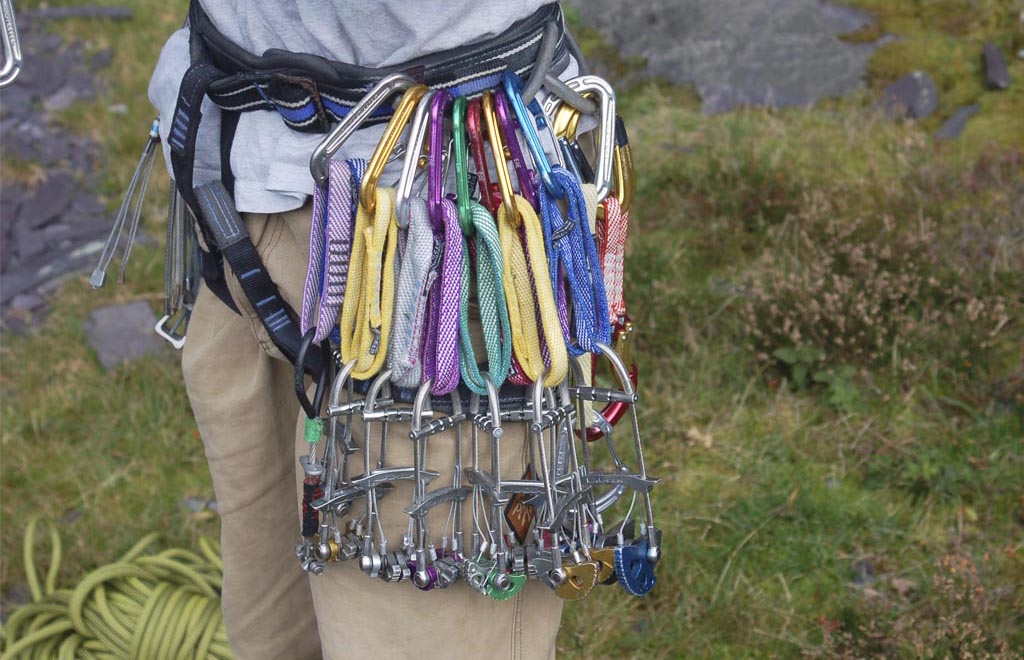
Nuts, Rocks and Wires are generic names for a type of leader place protection for rock climbing. Effectively a metal wedge on a wire sling, these pieces of protection are the bread and butter of keeping climbers safe when they are trad climbing. The name comes from the their development. As the first form of … Read moreNuts, Rocks and Wires

Climbing Slings

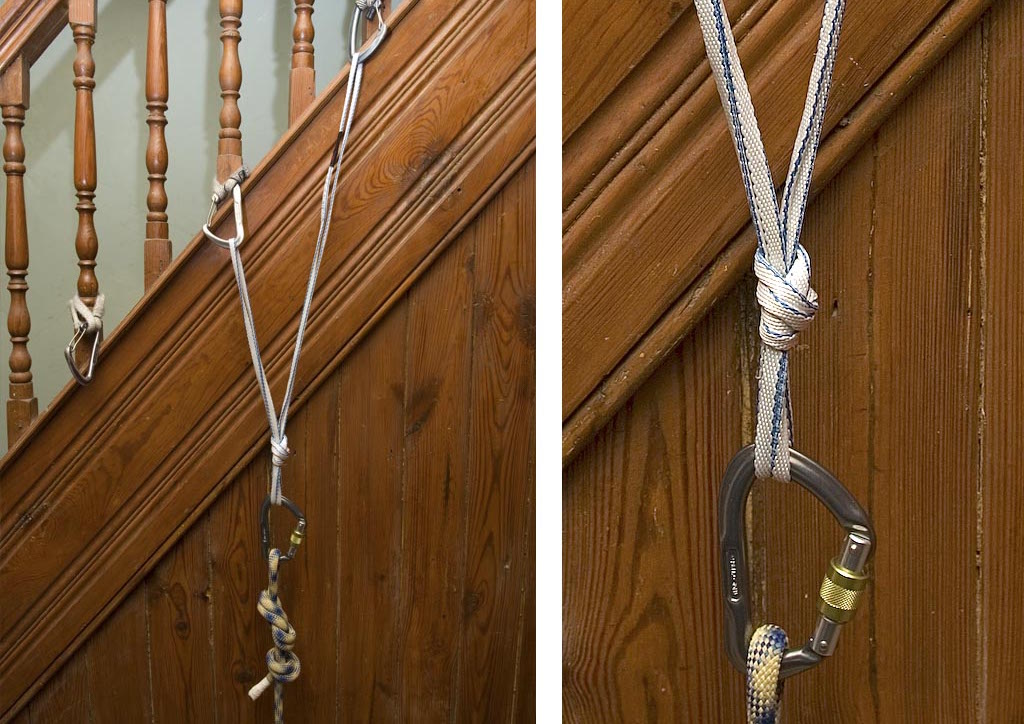
Climbing slings are a stable protection in climbing they can be be used to attach the climber to spikes, trees and threads. They can also be used to equalise multiple anchor points to a single point. Slings generally come in a variety of sizes the most common are 120cm, 240cm and 480cm. This is the … Read moreClimbing Slings

Karabiners

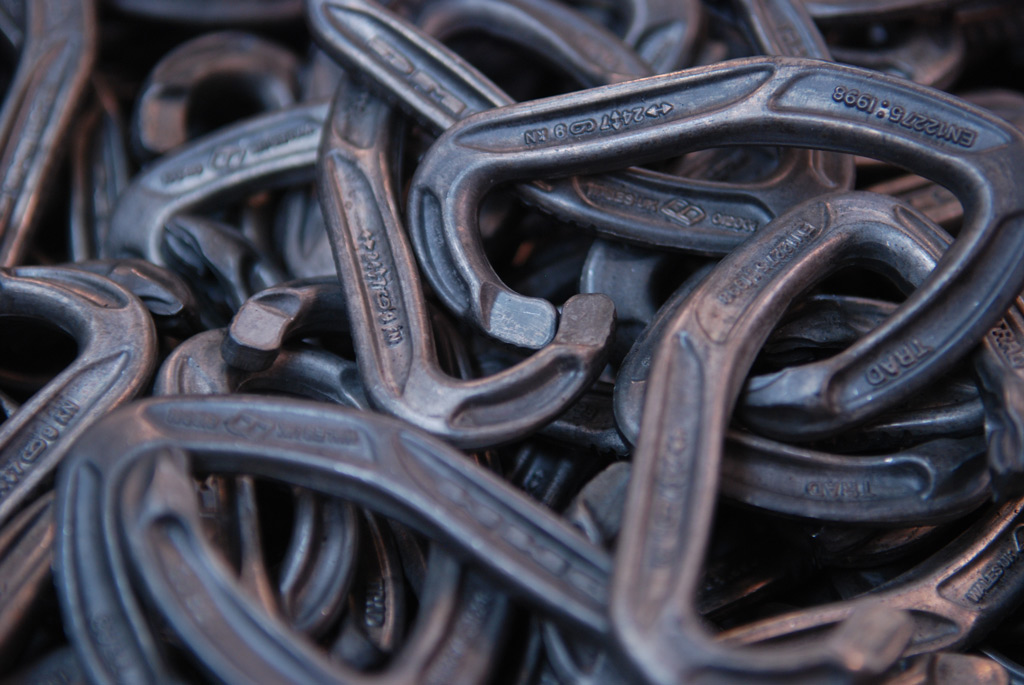
There are many different types of Karabiners. However they can generally be described as snap gate or locking gate karabiners. As we are about to see there are many other sub-type with different pro’s and con’s. Snapgates Karabiners Snap gate carabiners are generally used for leader place protection as it is easier to clip and … Read moreKarabiners

Buying a Climbing Rope

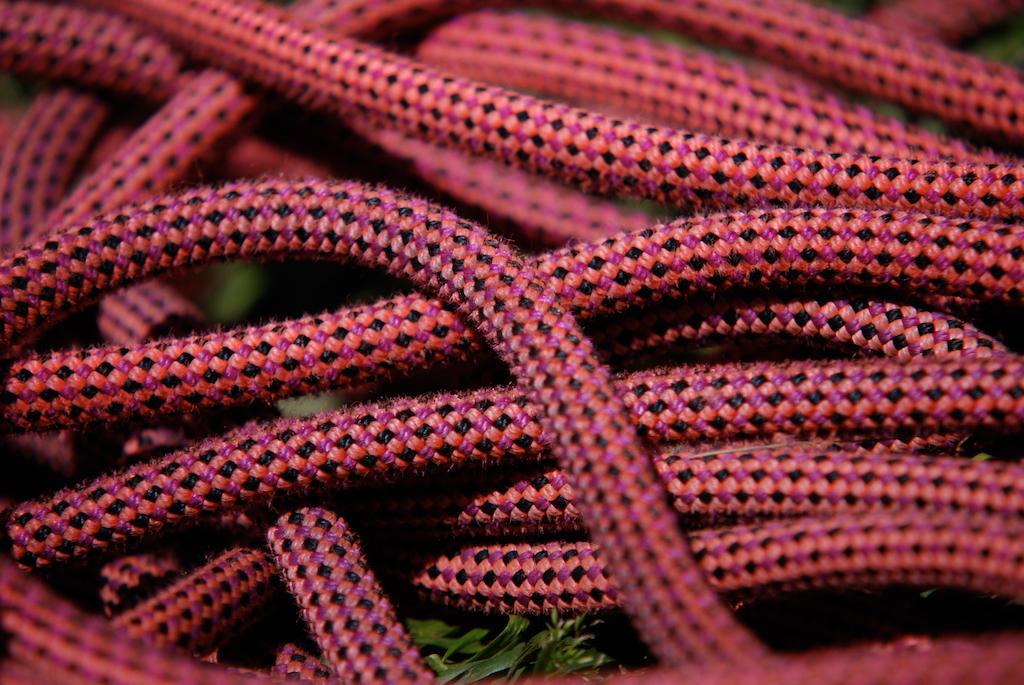
There are many different type of climbing rope, as the article at the bottom will highlight in hopefully humorous way just how bewildering it can be. Starting out though all you need to know is there are two main type of rope: Single and double ropes. In the main beginners want to start out with a full … Read moreBuying a Climbing Rope

Belay Devices

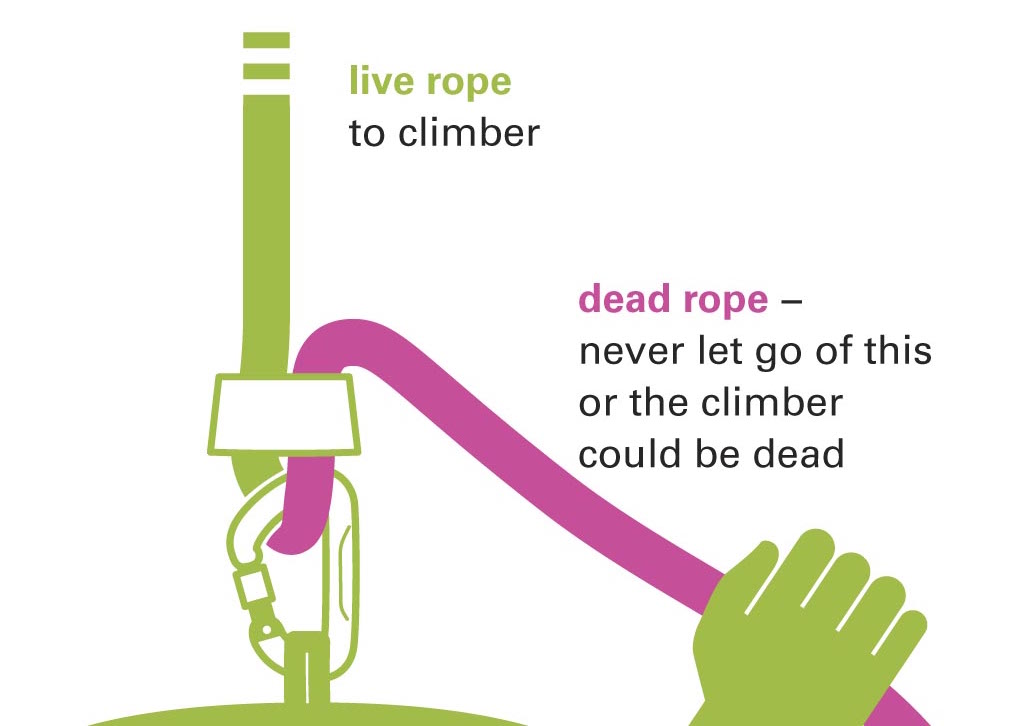
The variety of belay devices is seemingly endless. Used correctly any brand or model should be adequate, however some are more slick than others and a few are auto-locking. Essentially a belay device stems from early stitch plates that were just a piece of metal with a hole in. These developed into sprung stitch plates, … Read moreBelay Devices

Chalk Bags

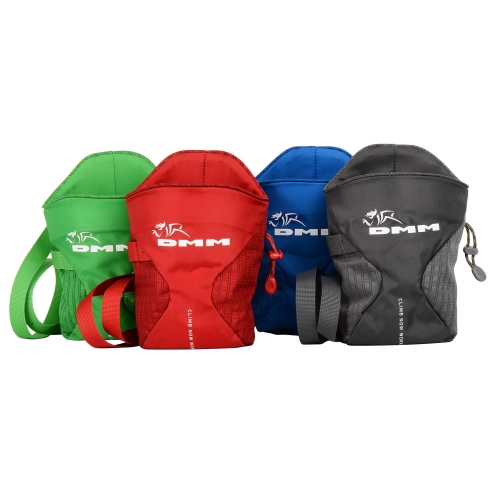
There are many chalk bags all do a similar job, the main thing is to make sure it is big enough to get you hand into, preferably not just the tips of your fingers. The chalk you use is a matter of personal choice, although indoors a chalk ball prevents the air becoming saturated by … Read moreChalk Bags

Rock Shoes

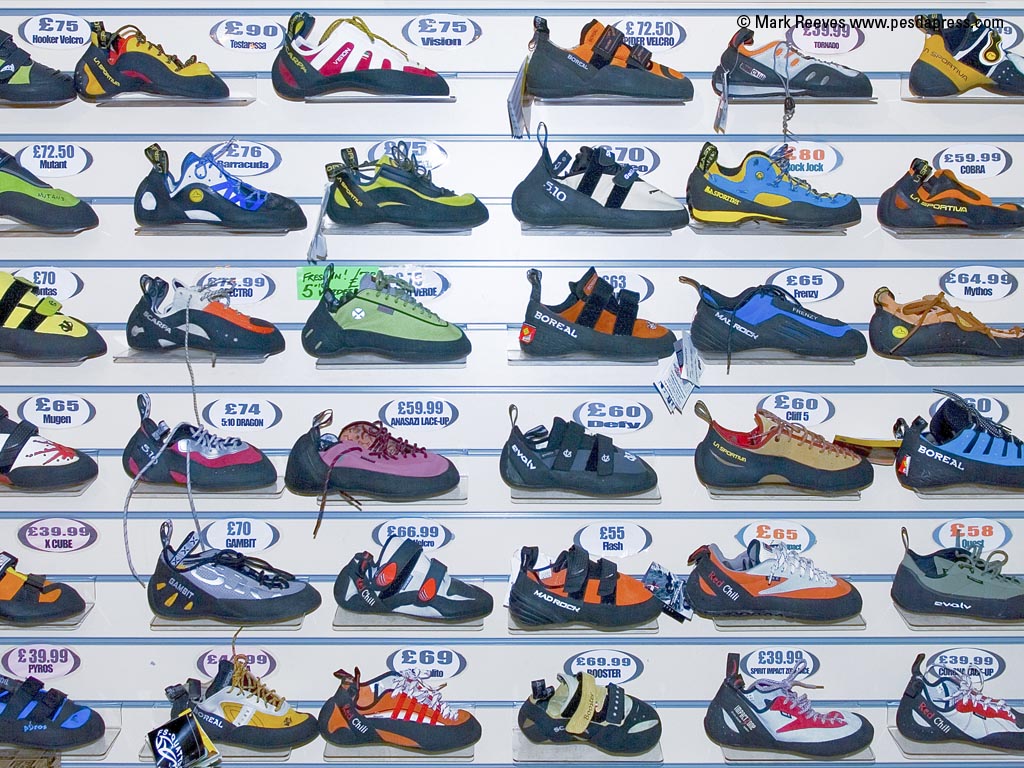
There is a profusion of rock shoes to choose from. At first you are better off going for comfort, rather than performance, although a reasonably tight pair will pay dividends with your footwork. Generally one model of boots will fit better than the others, so don’t go on any recommendations, try on lots of different makes … Read moreRock Shoes

Rock Climbing Helmets

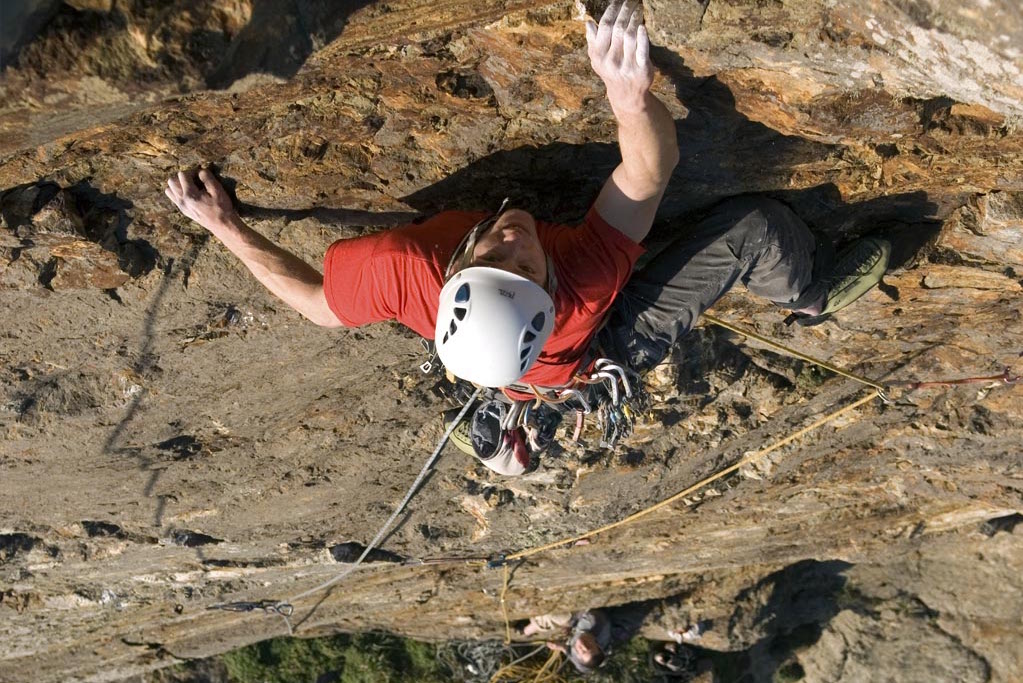
Whilst not essential, wearing a climbing helmet is a very good idea. A crag may not appear to have much loose rock but there may be some hidden blocks up on ledges waiting for a passing climber or a rope to knock it over the edge. A climber above you could simply drop a piece … Read moreRock Climbing Helmets